About Me
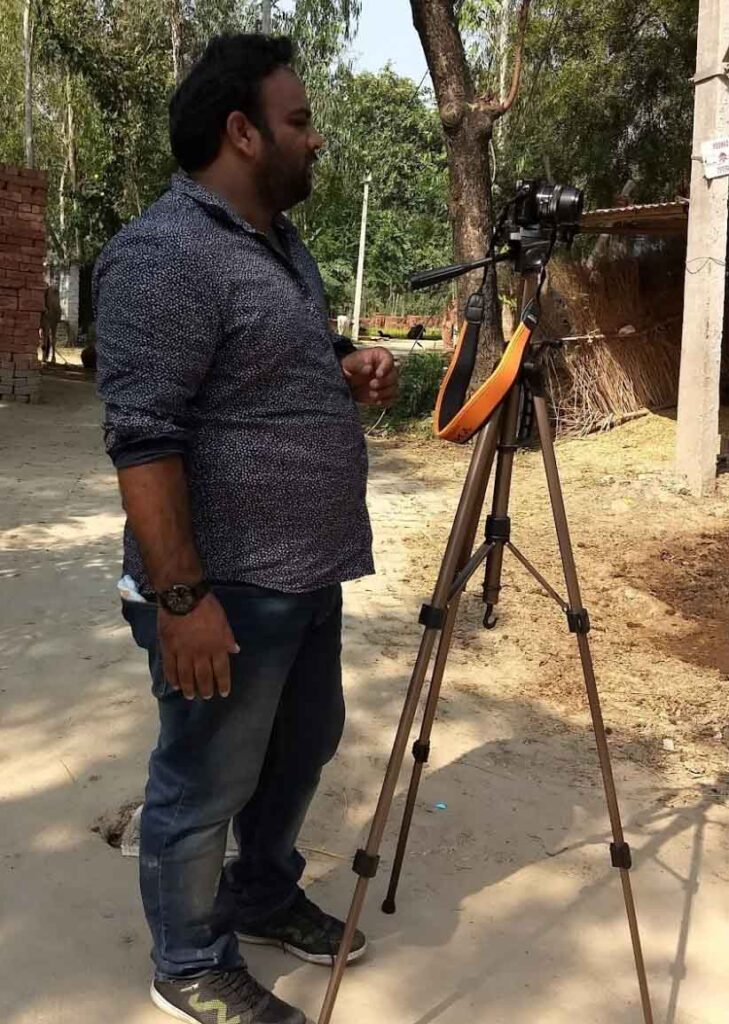
I report from anything to everything — from the edges of disasters to the heart of power, from borderlands and protest sites to hospitals running out of air. My stories begin where chaos meets courage — in the dust, in the silence, and in the places most people overlook. I tell stories that move, question, and remember.
I’m a self-taught journalist with an MA in Journalism and Mass Communication from the University of Lucknow, and I’ve spent the last nine years reporting from South Asia’s most challenging frontlines — where politics, people, and power collide. My work has taken me from the chaos of India’s elections to the quiet grief of families who lost loved ones in the Gorakhpur oxygen tragedy, from the Silkyara tunnel collapse deep in the Himalayas to the deadly stampede at the Kumbh Mela. I try to tell stories that cut through noise — stories about survival, systems, and the everyday lives behind big headlines.
At Reuters, I’ve reported on the invisible toll of India’s crises: the jobs lost to COVID-19, the toxic cough syrup that killed children, the inflation and malnutrition that quietly shape millions of lives. I was part of the team nominated for the Pulitzer Prize for our coverage of the cough syrup investigation. I’ve covered everything from India-Pakistan tensions at the border to the collapse of fragile land in the Himalayas, with a focus on how policy and climate hit those on the margins.
Before Reuters, I anchored and produced programs across platforms — from a 50-part ‘Tech Meets Bharat’ series for FactorDaily to Pakistan election coverage for Firstpost, and an investigative series on drought in Bundelkhand. Over the years, I’ve built a network of more than 3,000 reporters across India, Nepal, Pakistan, Bangladesh, and Sri Lanka — people whose ground-level reporting helps shape stories that matter.
My bylines include The Times, Al Jazeera, Nikkei Asia, Fifty Two, and RT.com, where I’ve explored the intersections of climate, gender, and economy. One of my favorite projects, Crossfire for Fifty Two, follows women dance performers navigating caste, patriarchy, and gun culture in rural India.
I’m a Chevening Fellow (2024) and an Earth Journalism Network Grantee. My current work explores non-economic loss and damage due to climate change, and I’m also writing a book on India’s biggest and most dramatic rescue mission. When not reporting, I take on freelance verification and due diligence assignments for KPMG, Deloitte, and others, and help global outlets like AFP and Le Monde fix stories in India.
I’ve been honored with awards including the Lorenzo Natali, Telly, SOPA, SAJA, Ramnath Goenka, and SJN. But at the heart of it, I’m still that reporter who believes that the best stories are found on the ground — in the dust, the noise, the human pulse of a place — and that honest journalism can still move both policy and people.
101Reporters
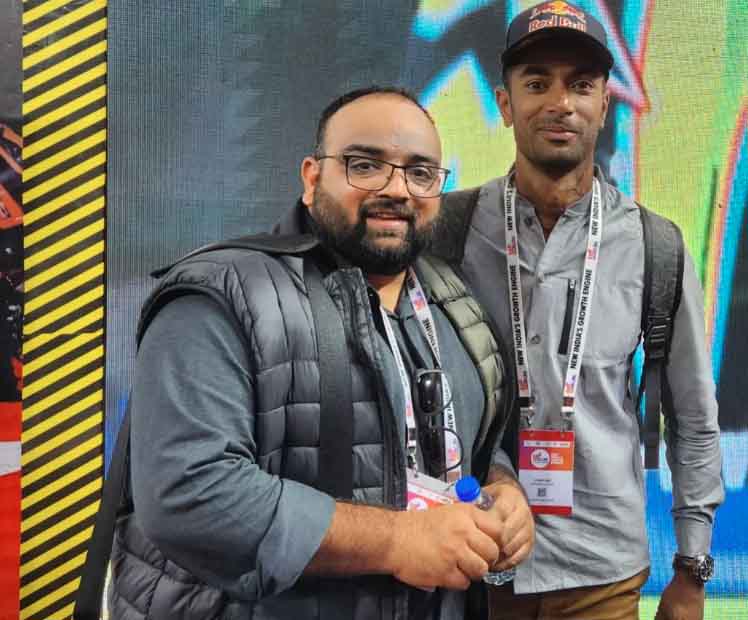
In 2016, Saurabh was approached by 101Reporters to build a network of freelance reporters spread across India, Bangladesh, Sri Lanka, Pakistan, and Afghanistan. By the end of 2018, he had built a network of over 2500 reporters. In 2019, Saurabh was offered a full-time contract with Reuters, where he covered various topics, including politics, caste violence, communal violence, human rights, migration, environment, cyber security, and climate change. While reporting for Reuters, Saurabh covered the issue of unemployment, Covid19, crime, gender issue, and other topics.
Report on Covid19
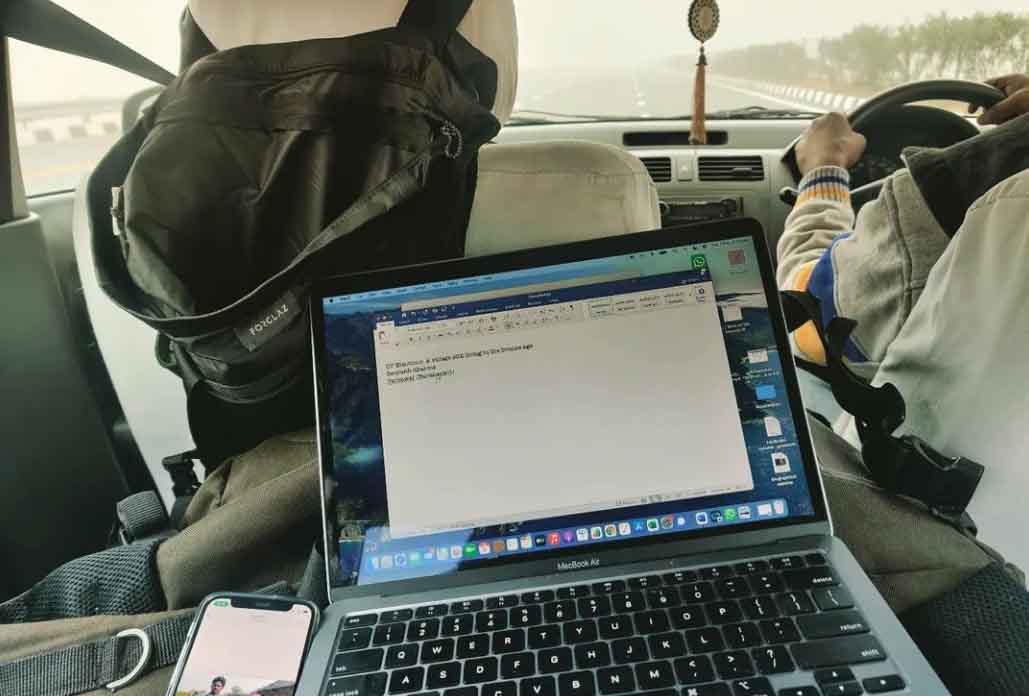
During the pandemic, Saurabh wrote about the undercounting of dead bodies, the mental health of cremation ground workers and doctors, and tried to cover every important aspect. He received the South Asian Journalist Association Awards for health reporting for his reporting on Covid19. He also reported on the impact of Covid19 on the people and reported a story on the spike of stillbirths in women. This story was done for Thomson Reuters Foundation.
Column on Reuters
Column on NEWSCLICK

Saurabh’s exceptional work has earned him many awards and accolades, such as the SOPA award for Environment Reporting in 2022 and the SAJA Health Journalism award in 2021 for his reporting on Covid19. He was also among the finalists for the Young Journalist Award in 2019 and won the Lorenzo Natalie Grand Prize in 2017 and the Lorenzo Natalie Professional Category Prize for his story on the life of an adolescent girl living on the streets in India.
In addition to his award-winning reporting, Saurabh has covered some of the most important and controversial events in India, such as the anti-CAA protests and violence, encounter killings across Uttar Pradesh, the grand Kumbh festival, and the state assembly and general elections. Apart from writing, and reporting, Saurabh has also worked as a fixer for several international outlets like California Sunday, Times UK, NRC Hassleband and others.
In 2020, Saurabh reported on the widespread protests against the controversial Citizenship Amendment Act (CAA), including the sexual assault on women protesters by armed forces in Lucknow. He also reported on the Indian Muslim community’s feelings of being second-class citizens in India during the crackdown by the forces.